
Being Seen
The Human Connection Behind a Portrait
Why building trust, listening and making a genuine human connection are at the
heart of my approach to portrait photography.
“I hate having my photograph taken.”
It’s something I hear quite often when meeting someone for a portrait session. Sometimes it’s said with a nervous laugh, sometimes with genuine apprehension. And I completely understand. Being on the other side of the camera can feel surprisingly uncomfortable. There is something quite exposing about having someone point a camera at you, particularly when you are not used to being photographed.
For me, the most important part of a portrait session isn’t the camera, the lighting or even the location. It’s the connection I establish with the person in front of my lens.
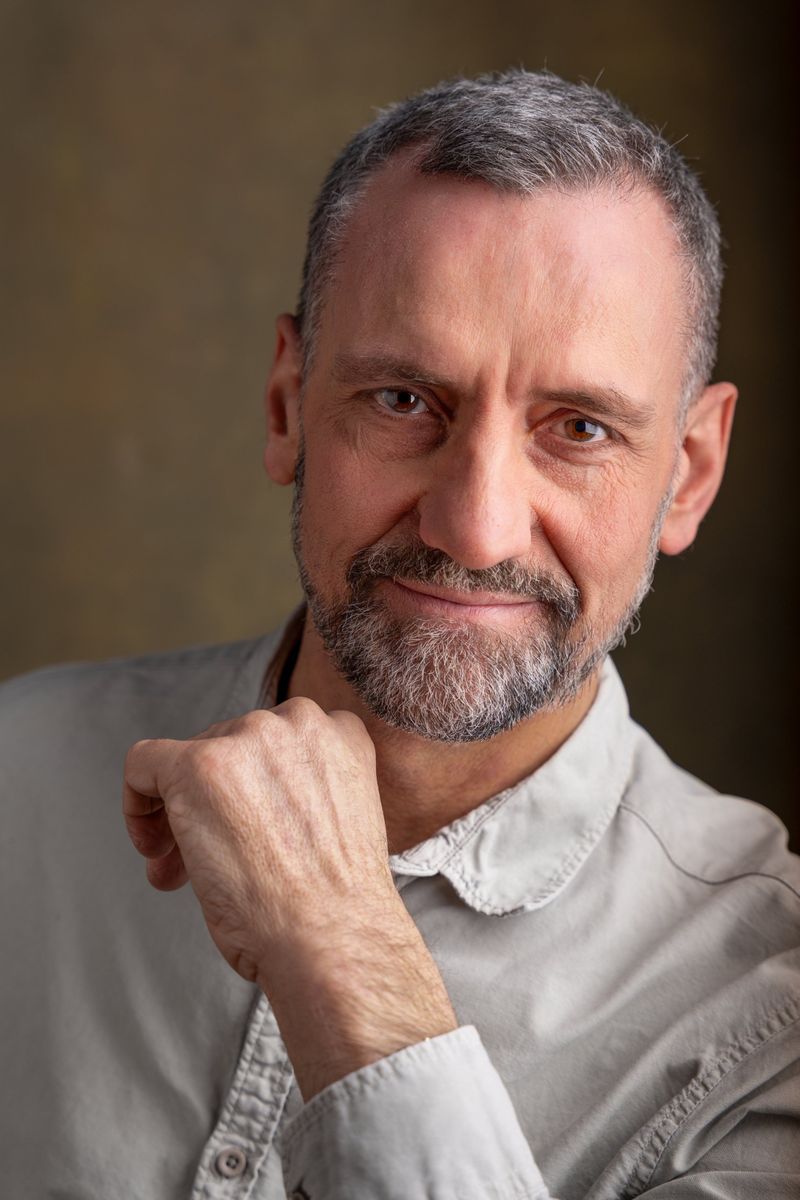
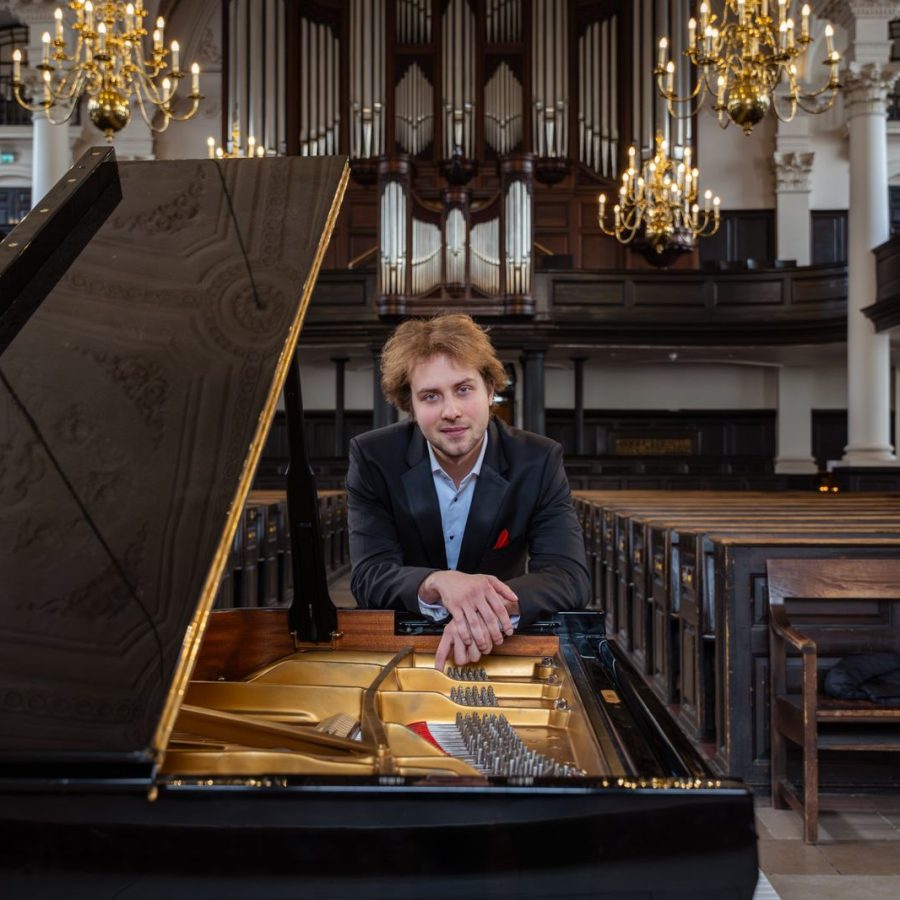
The importance of human connection
I believe that making someone feel comfortable starts with taking a genuine interest in them as a person. Not simply their job title, profession or the reason they need a photograph, but who they are beyond that.
Conversation plays a huge part in this. Finding common ground, discovering shared interests and allowing someone the space to talk about themselves helps to build trust. It isn’t about following a formula or trying to manufacture a particular response. It’s about being genuinely curious and interested in the person I’m photographing.
I have spent many years photographing musicians, and perhaps unsurprisingly, this is often where I find common ground most easily. Music has been a lifelong passion of mine, and I have a genuine interest in what musicians do, what inspires them and the lives they lead.
But that doesn’t mean I find it difficult to connect with people from other walks of life. We might have very different professions, experiences and interests, but ultimately we are all human beings.
There is always something to connect over if you take the time to look beyond the obvious.
A portrait session is a relationship
Alongside my photography, I am a qualified Transpersonal Arts Counsellor. My training and experience in this field have profoundly influenced the way I work with people, particularly in a one-to-one setting.
One of the most important things I learnt through my counselling training was the value of being fully present with another person: listening, observing and allowing them to be seen and heard without judgement or expectation.
I have come to recognise that there are interesting parallels between this and the experience of photographing someone.
A portrait session is also a one-to-one encounter. I am there to listen, observe and take an interest in the person in front of me. I pay attention not only to what someone says, but also to their expressions, gestures and the subtle ways in which they communicate. It is about being present and attentive, rather than simply directing someone into a series of poses.
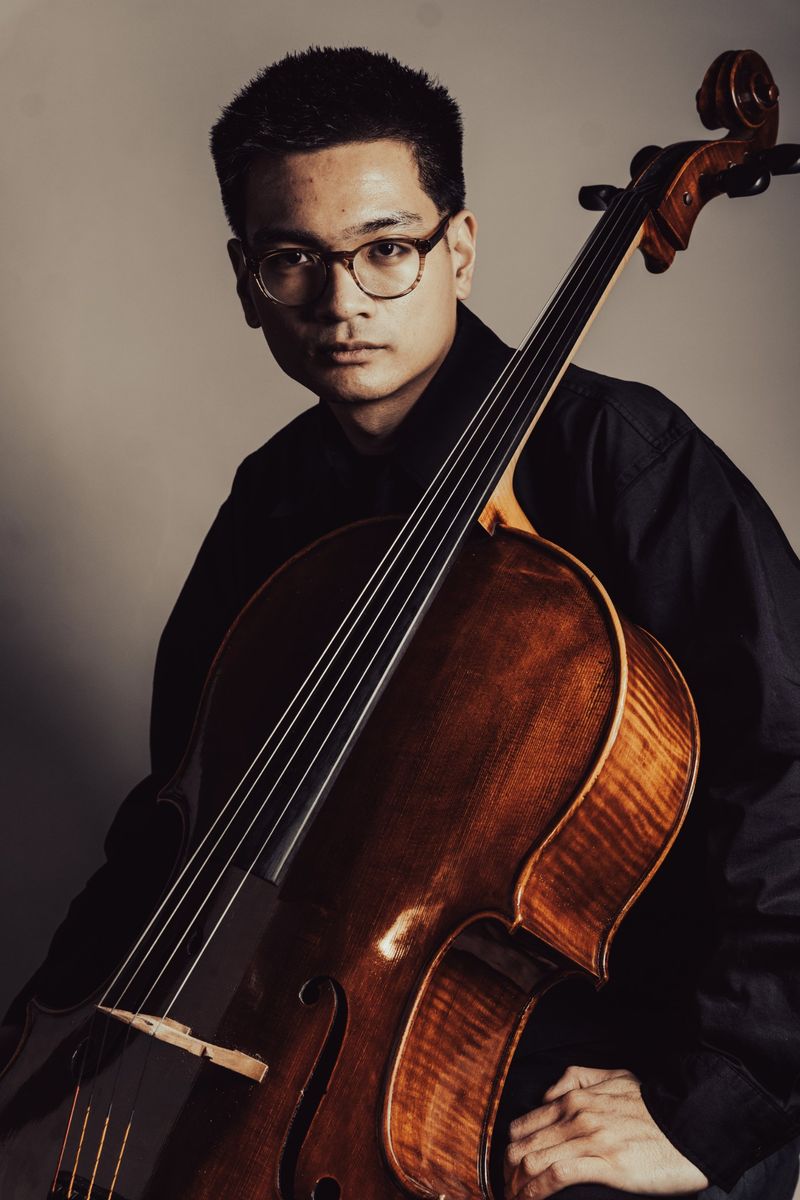
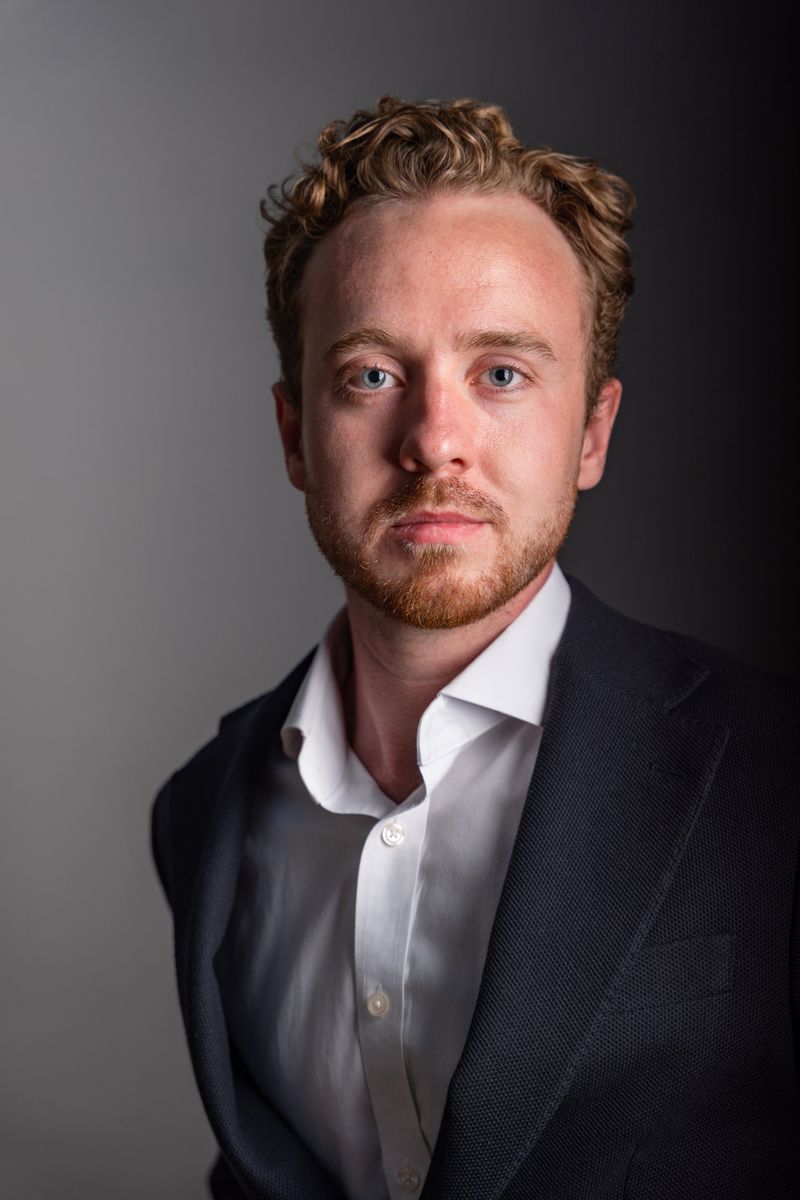
The difference, of course, is that I have a camera added into the mix.
I once explained this to a client who was himself a counsellor. I described the camera as a kind of witness: something that records a moment in time between two people, the photographer and the person being photographed.
He found this an interesting concept, and I noticed that it helped him settle into the session. There was something reassuring about thinking of the camera in this way, rather than as an instrument of scrutiny or judgement.
It was an interesting experience for me, too. Here was someone accustomed to being on the listening side of a one-to-one relationship, now finding himself on the other side of the fence. We
shared an understanding of the importance of that relationship, even though we were approaching it from different perspectives.
Creating a space where people can be themselves
I don’t believe in rushing into a portrait session or making someone feel that they have to perform for the camera. I prefer a more relaxed, thoughtful approach, allowing a little time for conversation and for people to settle into the experience.
For someone who dislikes being photographed, the process can feel quite confrontational. They may be conscious of how they look, uncertain about what to do with themselves or worried about
how they will appear in the finished photographs.
My role is to gently guide them without making them feel self-conscious. Rather than imposing a rigid set of poses or asking someone to become something they are not, I want to create the
conditions in which their natural personality can emerge.
Sometimes that happens quite quickly. Sometimes it takes a little longer. But I find that when people feel listened to, respected and at ease, something begins to shift. They become less
conscious of the camera and more comfortable simply being themselves.

The most rewarding part of the process
One of the things I find most rewarding is hearing someone say afterwards that the experience wasn’t nearly as bad as they expected. In fact, quite often, people tell me that they actually enjoyed it.
And, of course, they are happy with their photographs.
For me, that’s probably the best outcome I could hope for. Not just producing a set of portraits that someone can use professionally or personally, but helping them feel good about themselves in the process.
A portrait should be more than a record of what someone looks like. At its best, it offers a glimpse of who they are. And I think that becomes much more possible when there is a genuine human connection between the photographer and the person in front of the lens.
Ultimately, it’s not about asking people to become comfortable in front of a camera. It’s about helping them feel comfortable enough to be themselves.
Let’s Create Lasting Images Together
If you’re looking for a passionate and experienced photographer, I’d love to connect, and let’s capture meaningful moments together—one photograph at a time.